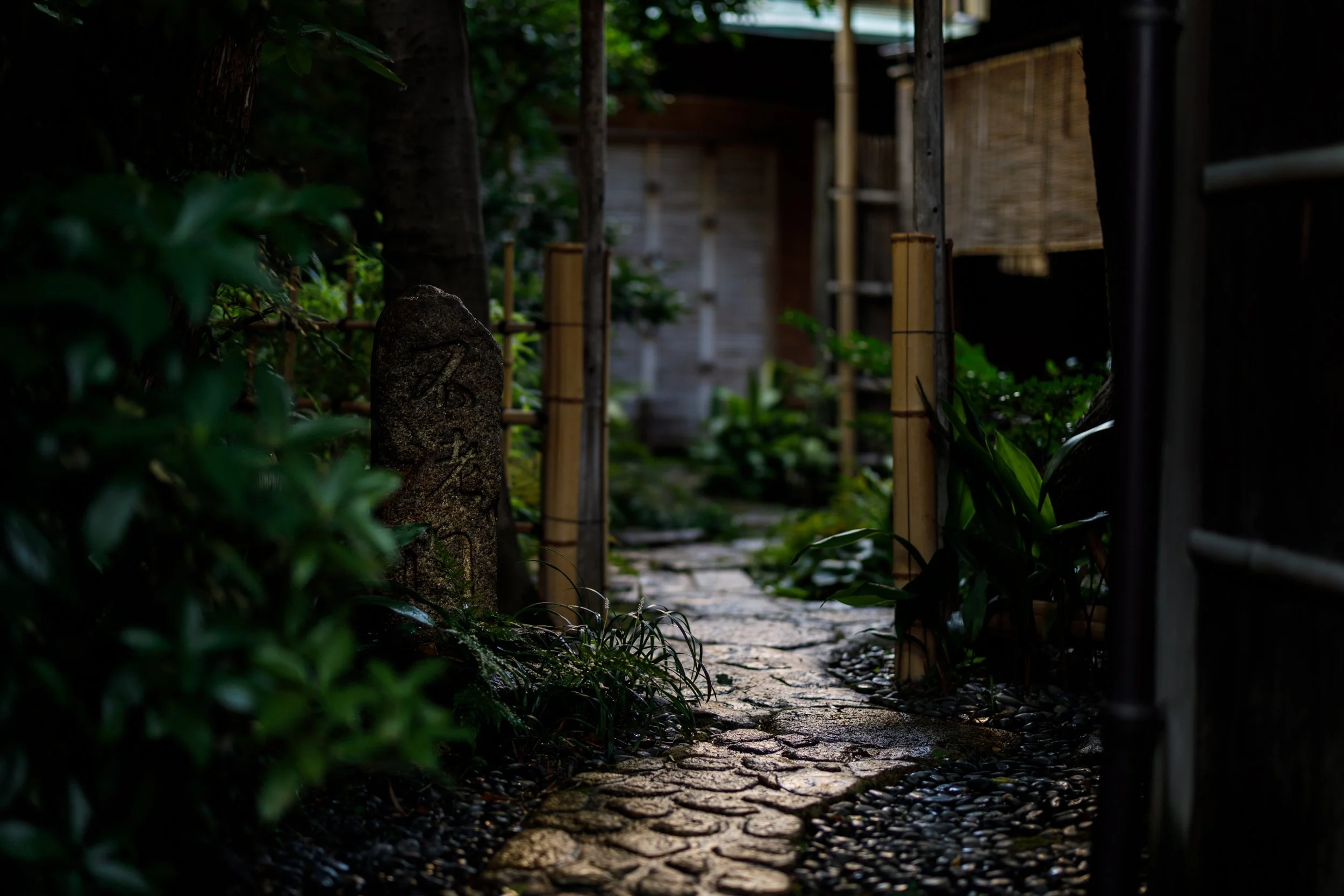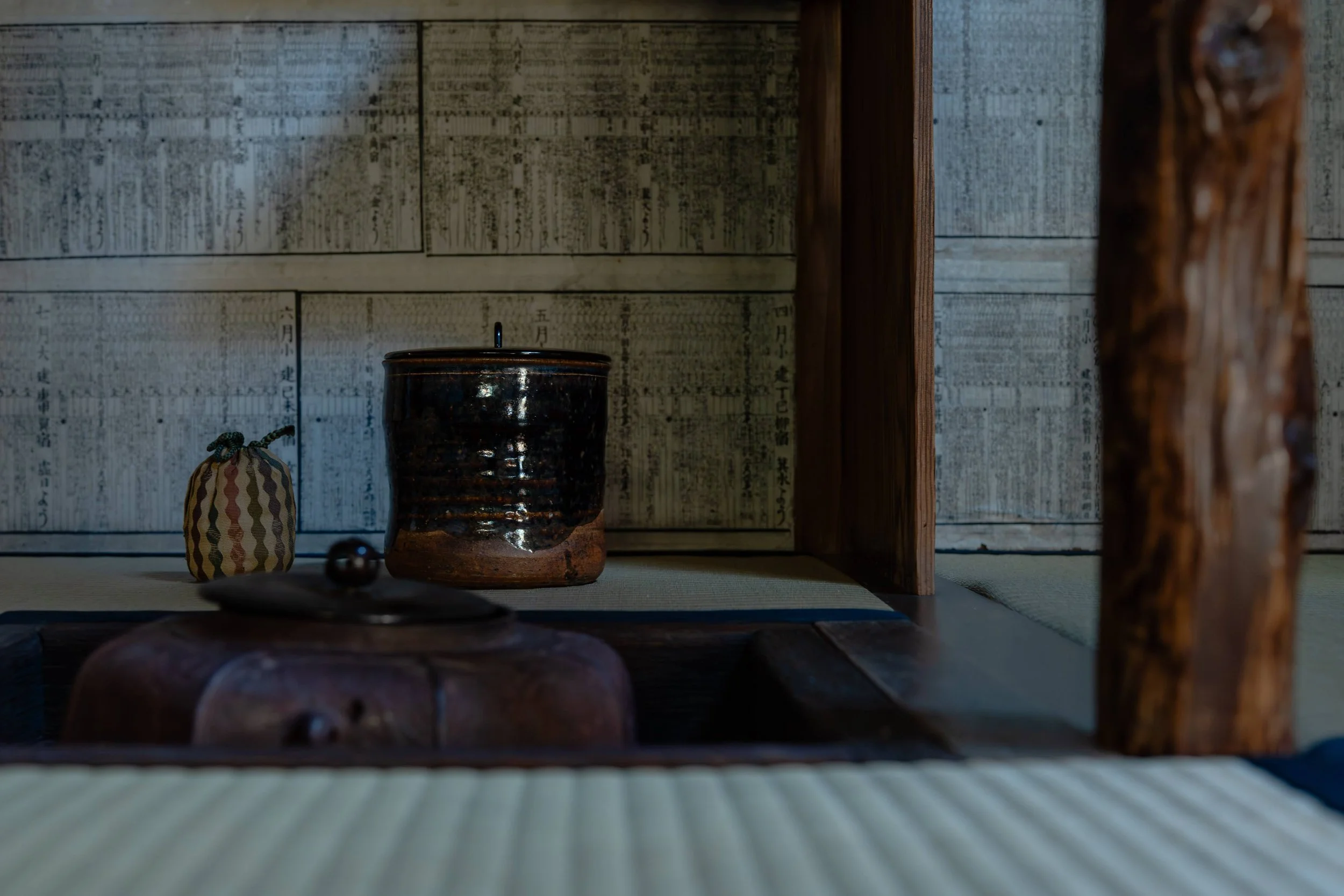

A secluded teahouse in the heart of Tokyo
A Living Heritage of
Japanese Tea Culture
Ohashi Charyo offers a path beyond the city’s bustling streets, a place where time stands still. This historic teahouse, built by a master craftsman from Kyoto, represents one of the city's most significant cultural landmarks.
The teahouse showcases the sukiya architectural style, which developed in the late 16th and 17th centuries through the influence of chanoyu (the Japanese Way of Tea). This style emphasizes simplicity, natural materials, quiet elegance, and refined craftsmanship. Currently, Ohashi Charyo is registered as a Tangible Cultural Property and is in the process of preparing for designation as an Important Cultural Property.
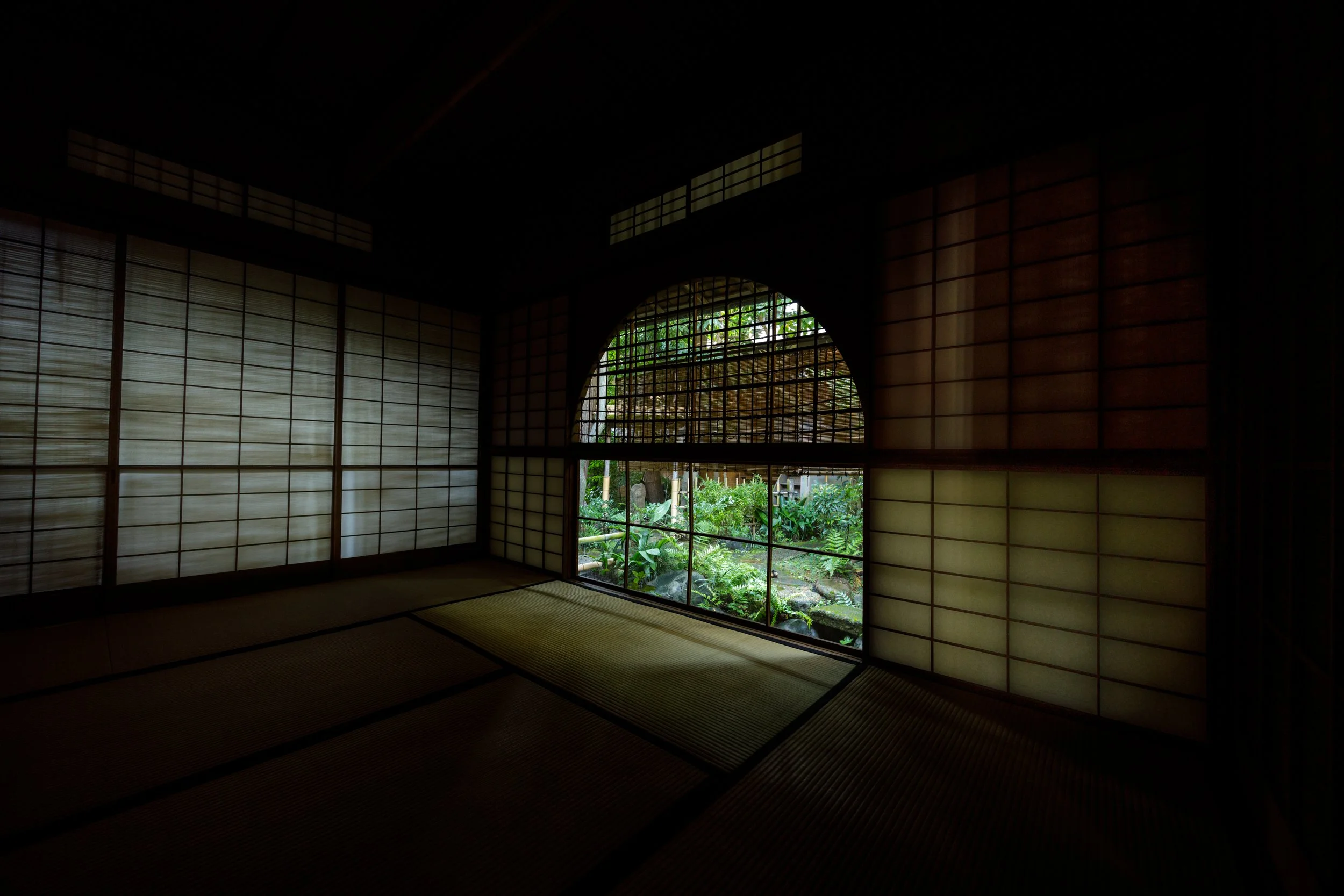
History
Most of Tokyo's pre-war wooden architecture disappeared due to earthquakes, fires, and 20th-century upheavals. In this context, even postwar buildings like Ohashi Charyo have become invaluable cultural heritage, serving as rare connections to a Tokyo that has largely vanished.
After World War II, Tantansai, the 14th Grand Master of the Urasenke School of Tea (one of the long-standing established tea ceremony lineages), selected Ohashi Charyo as his Tokyo teaching center. Here, he guided disciples, practitioners, and societal leaders in the Way of Tea.